

AI-Powered Ads: How Food Brands Create High-Impact Campaigns Without Big Budgets
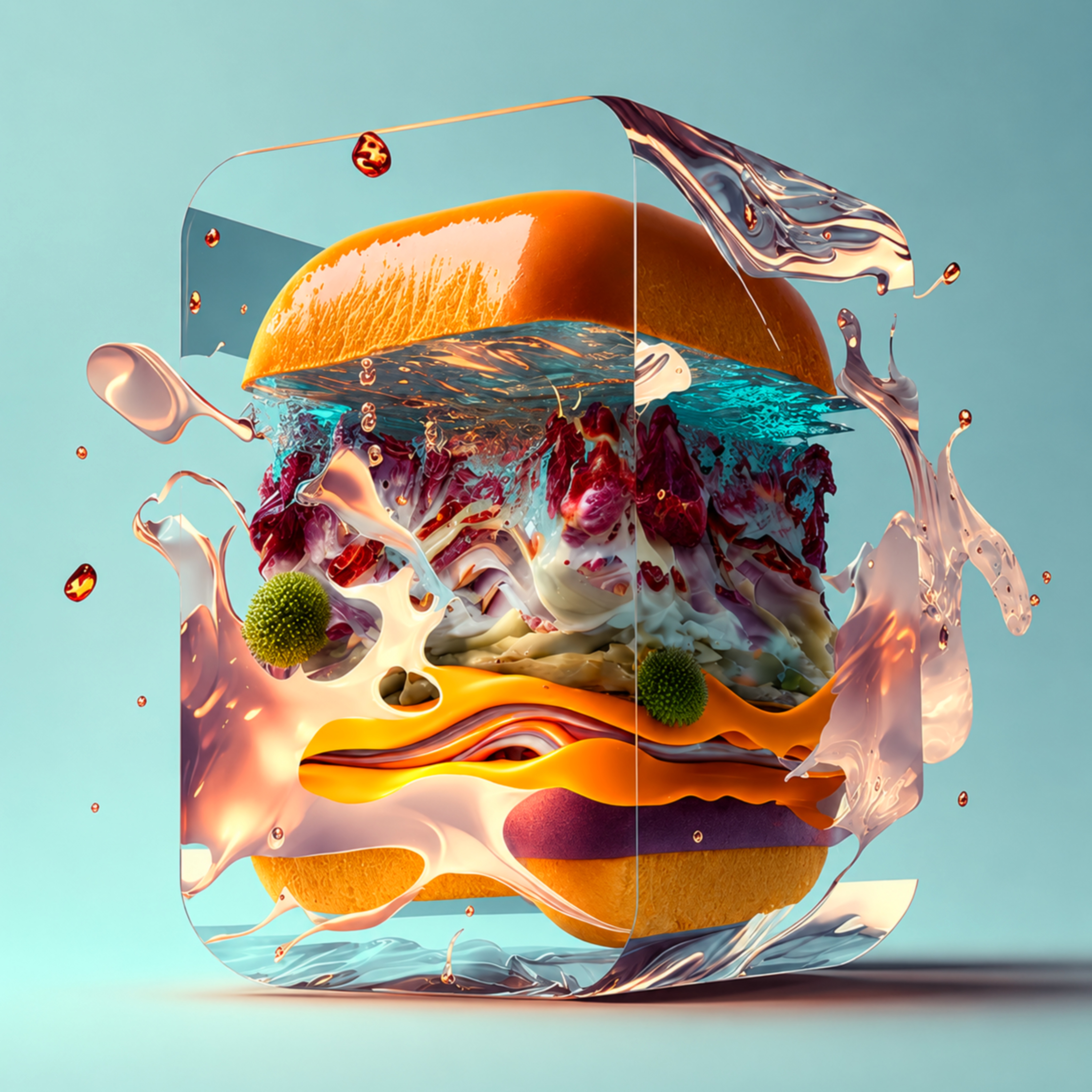
Design is Moving Faster Than Ever Here’s What’s Next
IFor years, high-quality advertising in the food industry was tied directly to budget. Strong campaigns required expensive productions, studio shoots, photographers, food stylists, creative teams, and weeks of development before a brand could even begin launching content.
Today, that model is changing fast. AI is redefining how food and beverage brands create advertising by making campaign production significantly faster, more flexible, and more accessible than traditional workflows ever allowed. What once required large budgets and long timelines can now be developed much earlier and tested much faster.
But the biggest shift is not automation. The real shift is creative speed.
Instead of committing to one expensive campaign direction from the beginning, brands can now explore multiple visual concepts before production even starts. Different moods, lighting styles, packaging presentations, environments, and storytelling directions can be tested rapidly without rebuilding entire productions every time.
For smaller brands, this changes the creative process completely.
Startups and emerging companies no longer have to wait until they have major marketing budgets to create visually competitive campaigns. They can build stronger advertising earlier, experiment more freely, and stay visually active without operating like large corporations. Food and beverage is also one of the industries where AI performs especially well visually. Products in this category rely heavily on texture, lighting, color, atmosphere, and motion to create emotional appeal.
The strongest campaigns still depend on positioning, art direction, storytelling, and visual consistency. AI simply allows brands to reach that level faster while expanding the number of creative directions they can explore. And in modern advertising, speed matters.
Audiences scroll faster, trends move faster, and content cycles change constantly. Brands are expected to launch campaigns, seasonal visuals, product announcements, and social content continuously. Companies that can adapt and produce creative work are winning.
This is why AI is becoming such a powerful tool for food and beverage brands specifically. It allows smaller companies to compete visually at a much higher level without scaling production costs at the same pace as traditional advertising.
The future of food marketing will likely become increasingly hybrid. Real photography, AI-generated environments, motion graphics, 3D assets, and digital storytelling are already being combined into more flexible production systems that allow brands to create high-impact campaigns more efficiently.
The barrier to producing strong advertising is no longer purely financial. What matters now is creative direction, speed of execution, and how clearly a brand understands its own identity.
.svg)