
Food & Drink Branding Trends 2026
Today’s market is oversaturated with aesthetic cafés, premium-looking packaging, cinematic drink videos, and carefully curated social feeds. Customers see hundreds of similar visuals every day. As a result, brands that rely only on looking “modern” are becoming easier to ignore.
For years, the industry leaned heavily into soft minimalism. Neutral color palettes, thin typography, beige interiors, muted packaging, and ultra-clean layouts became the standard. But once everyone adopted the same aesthetic language, brands started blending together.
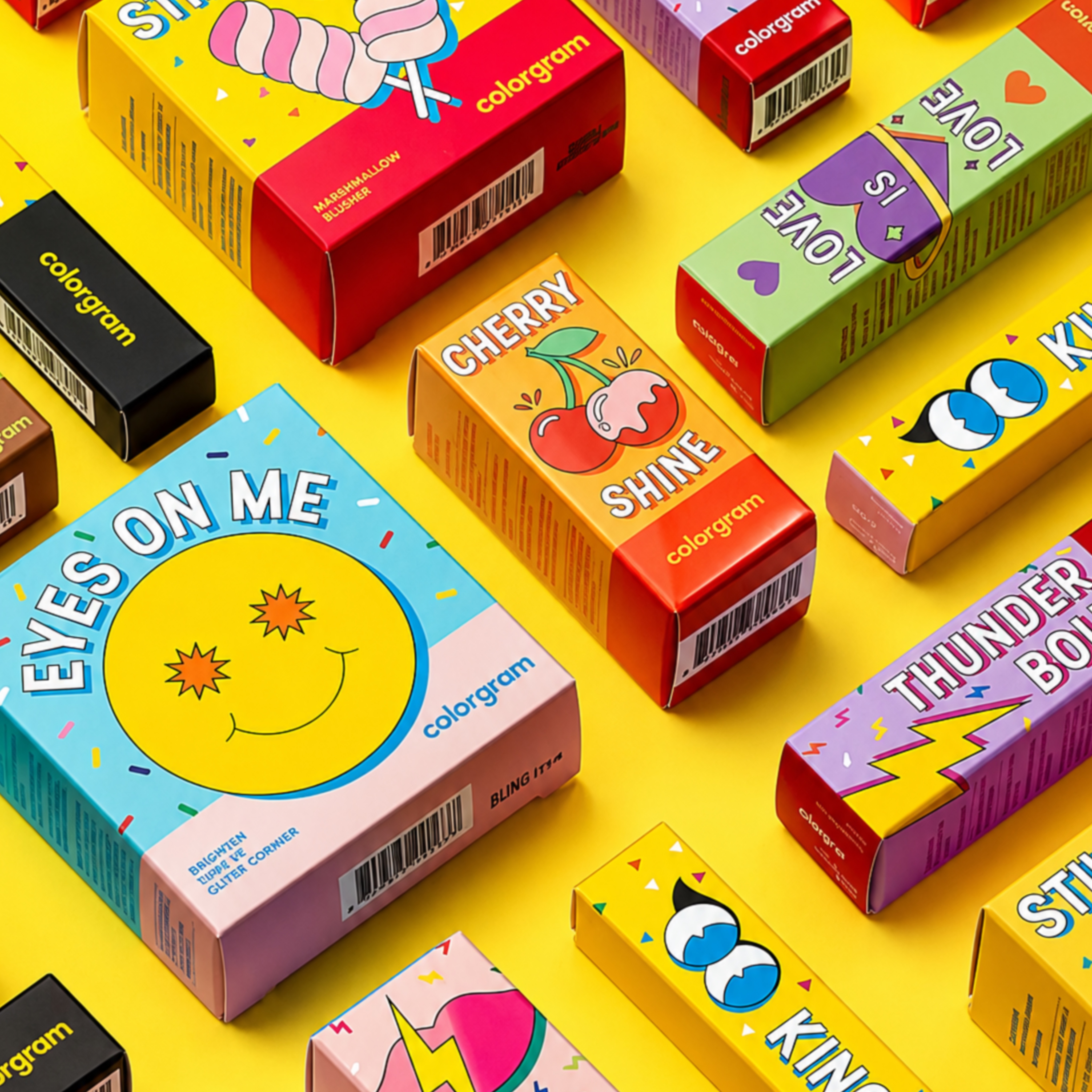
Consumers are responding more to brands that visually distinct and recognizable. because today, being memorable matters more than simply looking polished.
At the same time, food and beverage companies are beginning to operate less like traditional product businesses and more like media brands. Instead of relying on one static visual identity, they continuously build campaigns around launches, collaborations, seasonal products, and limited editions.
This shift is why campaign-driven branding is growing so quickly. Brands are investing more into cinematic launch visuals, social content, motion-based advertising to keep audiences emotionally engaged with the brand year-round.
AI is accelerating this evolution even further.
In 2026, AI will no longer be viewed as an experimental tool inside the creative industry. It is becoming a standard part of modern production workflows. Brands are using AI to test campaign concepts faster, create social ad variations, develop visual environments, generate motion
content, and scale creative production without increasing budgets at the same pace.
The advantage is not that AI replaces creative teams. The advantage is speed and flexibility.
Instead of spending weeks developing one campaign direction, brands can now explore multiple ideas before committing to production. That gives smaller companies access to a level of creative experimentation that previously belonged mostly to large brands with significant marketing budgets.
Another major shift is that customers are responding more to atmosphere than functionality alone.
People increasingly choose cafés, beverages, restaurants, and packaged products based on emotional perception. Visual mood, packaging feel, photography style, interiors, music, storytelling, and online presence all shape whether a brand feels premium, comforting, trendy, healthy, indulgent, or culturally relevant.
the most important industry changes is that smaller brands are becoming visually competitive in their growth stage. AI tools and digital production systems have lowered barrier to creating premium campaigns.
As a result, startups can now launch with stronger packaging, more cinematic advertising, and more refined visual storytelling than ever before.
The visual gap between independent brands and large corporations is shrinking rapidly.
In 2026, the brands performing best are not necessarily the ones producing the most content or following every trend first. They are the ones building identities that feel impossible to confuse with anyone else.
.svg)