

How to Launch a Food Product That Sells from Day One In 2026: A Step-by-Step Guide
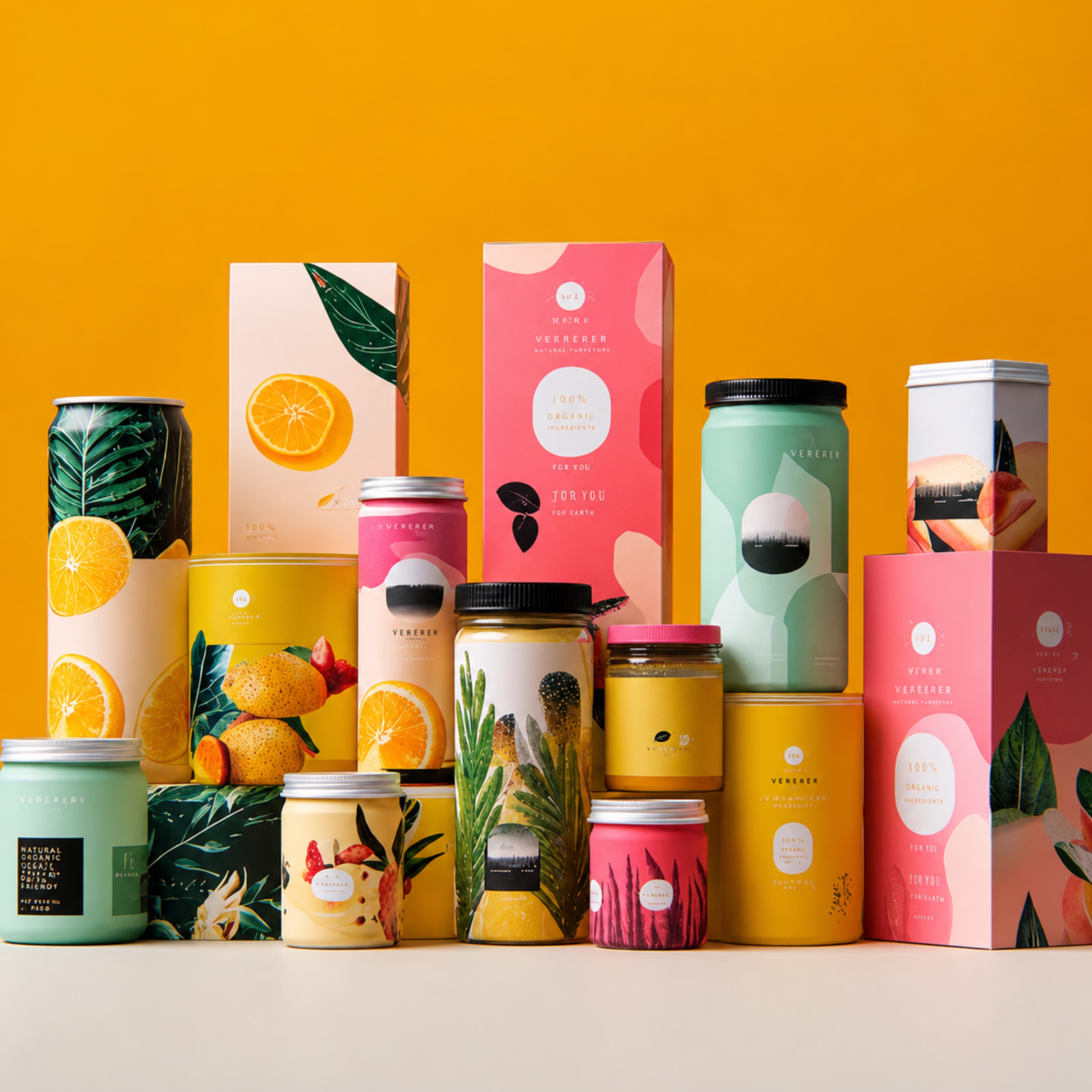
Saturated market. Short attention spans. So how do food brands still grow?
Launching a food product in 2026 is no longer just about creating something that tastes good. The brands that succeed today are the ones that know how to create demand and build emotional connection from the very first interaction with the product.
Consumers are overwhelmed with options. Every week, dozens of new drinks, snacks, cafés, and restaurant concepts enter the market. Most disappear within months not because the product tastes bad, but because the brand fails to create demand.
The good news?
A successful launch is no longer reserved for massive corporations with million-dollar budgets. Independent founders, small beverage brands, and niche food startups now have access to the same tools, platforms, and branding strategies used by industry leaders.
Here’s a step-by-step breakdown of how successful food and beverage brands launch products and concepts that actually sell in today’s saturated market.
STEP 1: Don’t Start With the Product — Start With the Market Gap
Before investing in production, packaging, or branding, it’s important to understand where your business fits within the market and why customers would choose it over countless existing competitors. Many brands try to stand out through organic ingredients, premium quality, or “better-for-you” concepts, but in today’s food and beverage industry, that alone is rarely enough. The market is already filled with aesthetic cafés, healthy brands, and visually appealing products.
What actually makes people remember a brand today is the experience and emotional connection built around it. The strongest food and beverage businesses don’t just sell products — they create a feeling people instantly connect with and want to come back to.
Your goal is not to create just another product.
Your goal is to create something people instantly and instinctively connect with.
“The success of Starbucks demonstrates the fact we have built an emotional connection with our customers.” — Howard Schultz (former CEO of Starbucks)
STEP 2: DEVELOP YOUR PRODUCT AND PRODUCTION STRATEGY BEFORE YOU PUSH THE BRAND
One of the biggest mistakes new food and beverage founders make is focusing heavily on branding before the product itself is fully developed. A strong visual identity may attract attention at first, but if the food quality feels inconsistent, difficult to scale, or unrealistic for long-term operations, the business will struggle to grow sustainably. The same applies to cafés and restaurants. Aesthetic interiors and strong branding may attract customers once, but consistency, service, and overall experience are what make people return.
Before investing into design, marketing, content creation, or launch campaigns, it’s important to make sure your product or concept can realistically handle real demand. A recipe that works in a home kitchen does not always translate well into larger production. Many young businesses underestimate how much operational planning affects customer experience and overall profitability.
At this stage, founders should focus on testing consistent taste and quality, shelf life, storage conditions, packaging functionality and product protection, preparation efficiency, service efficiency, and overall production costs.
STEP 3: BUILD A BRAND IDENTITY PEOPLE INSTANTLY RECOGNIZE
Customers are constantly surrounded by aesthetic cafés, visually appealing packaging, and highly curated social media content. Without clear and professional branding, even a good product can feel forgettable, low-value, or easily overlooked next to stronger competitors.
In 2026, strong visual identity is no longer optional. In today’s food and beverage industry, branding and visual presentation have become just as essential as the recipe behind the product itself.
Your branding is often the first thing customers connect with before they ever try the product itself. Strong visual identity plays a major role in attracting attention and building trust, which is why this part of the business should be developed by professionals who understand the market and customer behavior.
STEP 4: CREATE PRE-LAUNCH HYPE
One of the biggest mistakes food and beverage businesses make is waiting until launch day to start building attention around the brand. In today’s market, successful launches often begin weeks or even months before the product officially becomes available.
Modern customers want to feel involved in the process behind a brand.
Showing product development, behind-the-scenes moments, packaging previews, recipe testing, or launch preparation helps create curiosity and emotional investment long before people actually try the product itself.
If people are already engaging with the brand, sharing the content, and talking about the concept before launch, it usually signals much stronger market potential. The brands that create anticipation early are usually the ones people remember once the market becomes crowded.
STEP 5: USE SHORT-FORM CONTENT AS YOUR MAIN MARKETING TOOL
Social media is no longer just an additional marketing tool for food and beverage brands — for businesses, it has become the main driver of visibility. Platforms like TikTok, Instagram Reels, and YouTube Shorts now heavily influence what people choose to try, visit, photograph, and share online.
Food and beverage content performs especially well because it naturally creates strong visual and emotional reactions. People are drawn to the atmosphere, preparation process, textures, packaging, aesthetics, and the overall experience around the brand. In many cases, a simple coffee pour, dessert preparation, cocktail shot, or behind-the-scenes kitchen moment can generate more attention than traditional advertising campaigns.
STEP 6: FROM LAUNCH STRATEGY TO LONG-TERM GROWTH
A successful launch may bring visibility, but long-term growth depends on a brand’s ability to stay relevant, adaptable, and consistently present in front of its audience. Business owners need to think beyond opening day and understand how customers will continue discovering the brand, returning to it, and recommending it.
The strongest food and beverage brands don’t disappear after the launch hype fades. They constantly stay visible, adapt to changing trends, and continue building connection with their audience through content and consistent brand presence.
Viral moments may bring visibility, but consistency and the ability to adapt quickly are what build real long-term brand growth.
If you’re looking to grow your food and beverage business and create a launch that truly stands out, we’d love to hear from you.
Please reach out to us at ualightupteam@gmail.com or use the contact form at the bottom of this page to book a free consultation call.
.svg)