

Why 80% of Food Businesses Look the Same and How It Kills Sales
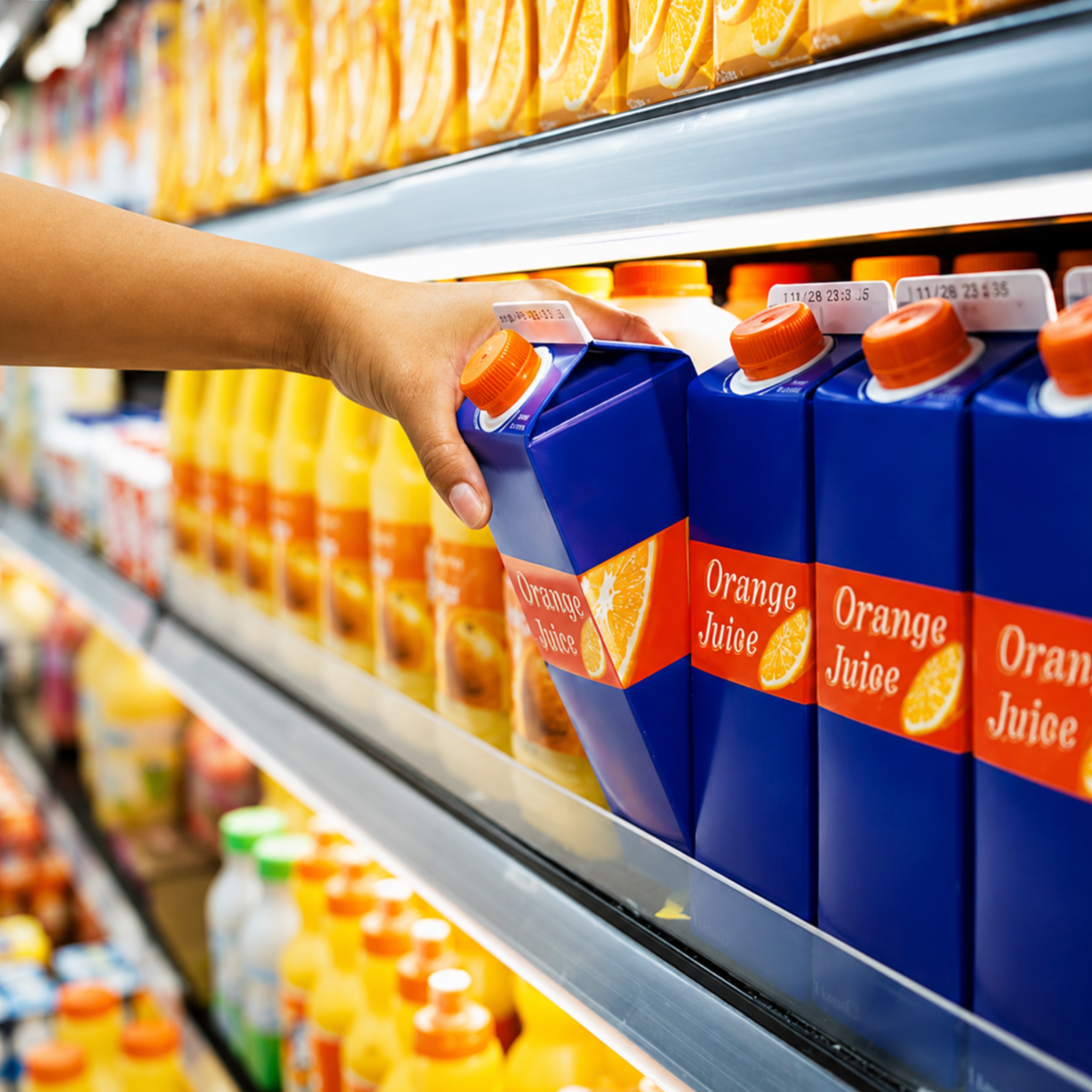
The food and beverage industry has become visually overcrowded.
Over the last few years, thousands of cafés, restaurants, beverage brands, bakeries, and packaged products adopted nearly identical branding styles. Minimal logos, neutral palettes, soft typography, clean packaging, cinematic food videos, and carefully curated Instagram feeds became the industry standard.
The result is a market filled with brands that look polished — but completely interchangeable.
And when customers cannot immediately distinguish one brand from another, recognition disappears. Once recognition disappears, so does emotional connection. Brands stop feeling memorable and start competing only on convenience, location, or price.
That is where growth becomes difficult.
Visual quality has become the baseline expectation. What customers actually respond to now is distinction.
Before customers ever taste the product, they already form opinions based on presentation. Packaging, lighting, branding, interiors, social content, and advertising all shape how premium, modern, trustworthy, or desirable a business feels.
Perception influences value long before the product itself does.
When a business looks too similar to competitors, customers subconsciously assume there is nothing special about it. Even strong products lose perceived uniqueness when the branding surrounding them feels generic.
This is one of the biggest reasons many food businesses struggle to build strong customer loyalty despite having quality products.
The issue is often not the food.
It is the positioning.
Brands that grow consistently usually create a clearer identity around themselves. They build stronger visual systems, more recognizable campaigns and more emotionally distinctive experiences. Customers remember them because the brand creates a specific feeling rather than simply presenting products. That feeling becomes part of the buying decision.
Social media has accelerated this shift even further. Platforms like Instagram and TikTok reward brands that create immediate visual recognition. Content that blends into existing trends disappears quickly, while brands with stronger creative direction hold attention much longer.
This does not mean every food business needs extreme branding or loud visuals. But it does mean businesses need clarity.
The brands performing best today understand exactly how they want to be perceived and build every customer touchpoint around that perception. Because in oversaturated markets, customers rarely choose the brand that looks acceptable.
They choose the one they remember first.
.svg)