

Your Café Isn’t Filling Up? Fix These 5 Things Today
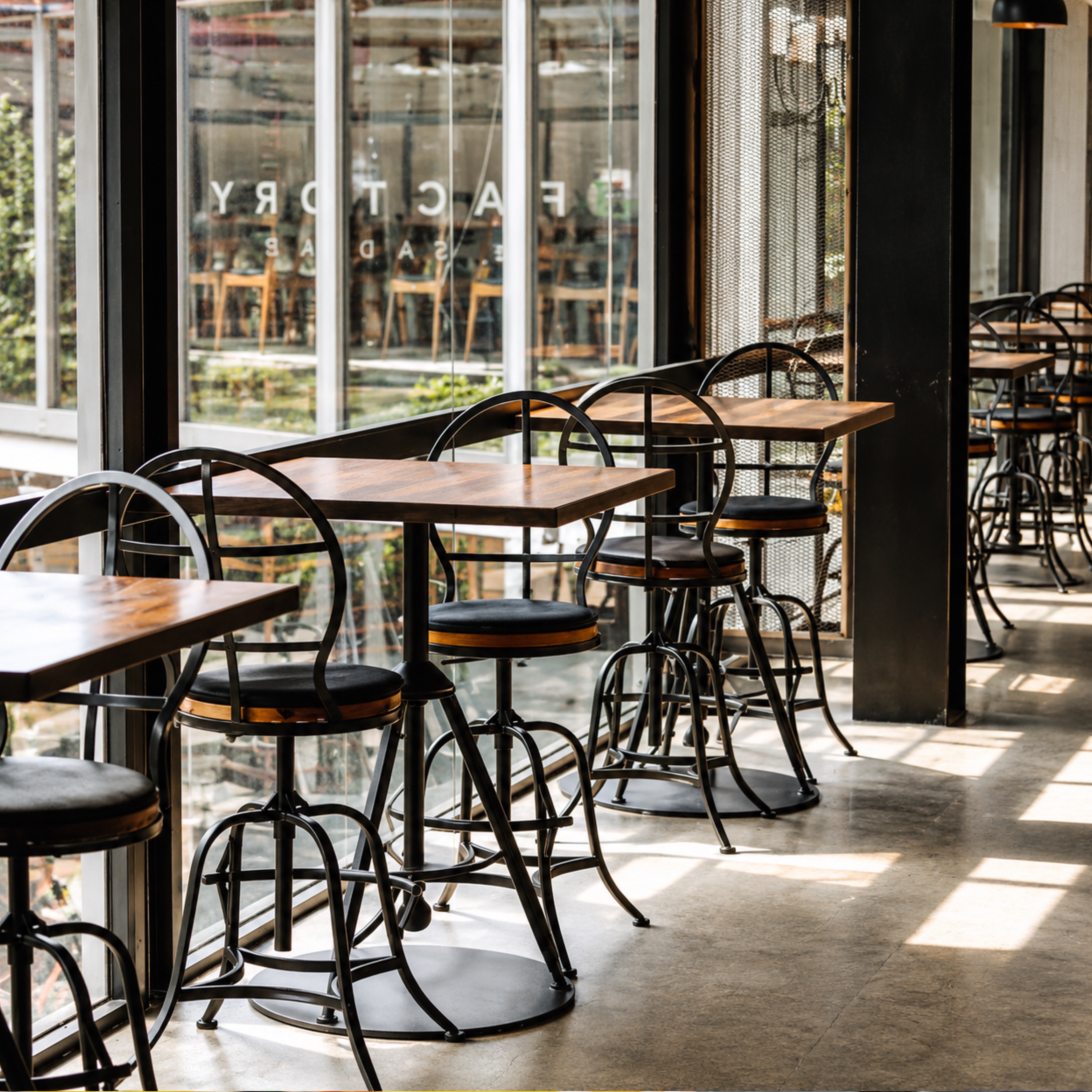
Most cafés assume the problem is traffic.
It usually isn’t.
Customers are surrounded by aesthetic cafés, minimal interiors, specialty drinks, and curated social media feeds. If your café looks and feels like every other café in the area, people stop noticing it entirely. Sameness weakens recognition, lowers perceived value, and quietly pushes customers toward competitors with stronger identities.
In today’s market, “good enough” is invisible.
1. Brand Looks Generic
One of the biggest problems in the café industry right now is visual repetition. Identical logos, neutral interiors, beige packaging, trendy typography, and copy-paste social media aesthetics have made many cafés feel interchangeable.
Customers may visit once, but they rarely build attachment to brands they cannot distinguish from others.
Brand identity is not decoration. It shapes perception before customers even try the product.
2. Social Media Feels Passive
Posting random drink photos is not marketing.
Many cafés treat Instagram like a gallery instead of a communication tool. The result is content that looks acceptable but creates no engagement, no emotion, and no reason for people to visit. The cafés growing fastest online are not simply documenting products. They are building a visual world around the brand.
People visit cafés for experience as much as for products. Your content should reflect that.
3. Menu Is Too Safe
Many cafés try to appeal to everyone and end up becoming forgettable.
Customers remember signature items. They remember drinks with personality, presentation, or strong visual appeal. They remember products that feel connected to the café’s identity.
If your menu looks nearly identical to every nearby competitor, price becomes the only thing customers compare.
The strongest cafés create at least a few products people associate specifically with them — whether through flavor, naming, presentation, or seasonal concepts. Distinct products create conversation. Conversation creates organic marketing.
4. Space Was Designed for Function, Not Experience
A café is no longer just a place to buy coffee.
People choose spaces based on mood, atmosphere, comfort, aesthetics, and how the environment makes them feel. This is especially important in an era where cafés are heavily tied to social sharing and online visibility.
That does not mean every café needs expensive interiors. But the space should feel intentional. Lighting, materials, music, packaging, uniforms, menu design, and even takeaway presentation all contribute to how customers perceive the brand.
Weak environments make even strong products feel average.
5. Not Giving Customers a Reason to Return
Many cafés focus heavily on attracting new visitors while ignoring retention. But long-term growth usually comes from creating familiarity, emotional connection, and habits around the brand.
People return to cafés that feel recognizable and emotionally consistent.
The cafés performing best today are not always the ones with the biggest budgets or the most expensive interiors. They are the ones that understand branding is not separate from the customer experience — it is the experience. When a café becomes visually recognizable, emotionally memorable, and strategically distinct, marketing becomes easier because people start remembering the brand on their own.
.svg)